





















Posts: 177
Joined: Mon Jan 18, 2016 9:32 pm
Location: Trollhättan, Sweden
 Fri Feb 05, 2016 7:34 pm
Re: With verve into the light
You did it in less than 3 hours? That's great man! 
I personally don't have guts to start on something of that size and to expect satisfactory results in less than many many many hours;-).
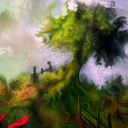
It's a complex scenery! I love how you broke it's structure, planned and painted it. Your colors are much vivid than those from reference. I think you're on right tracks to be able to paint what you want to paint.
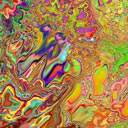
I don't see any bad in painting from reference. I will do it over and over again until I feel comfortable enough with composition, perspectives, rendering light and shadow, choosing right subject to paint (and how to paint it ) and who knows whats more. Doing abstracts is great for giving your brain deserved rest. And of course, it's essential to challenge yourself constantly and have fun!
I personally don't have guts to start on something of that size and to expect satisfactory results in less than many many many hours;-).
It's a complex scenery! I love how you broke it's structure, planned and painted it. Your colors are much vivid than those from reference. I think you're on right tracks to be able to paint what you want to paint.
I don't see any bad in painting from reference. I will do it over and over again until I feel comfortable enough with composition, perspectives, rendering light and shadow, choosing right subject to paint (and how to paint it
) and who knows whats more. Doing abstracts is great for giving your brain deserved rest. And of course, it's essential to challenge yourself constantly and have fun! Let's paint!
www.artstation.com/mirza
www.artstation.com/mirza


